
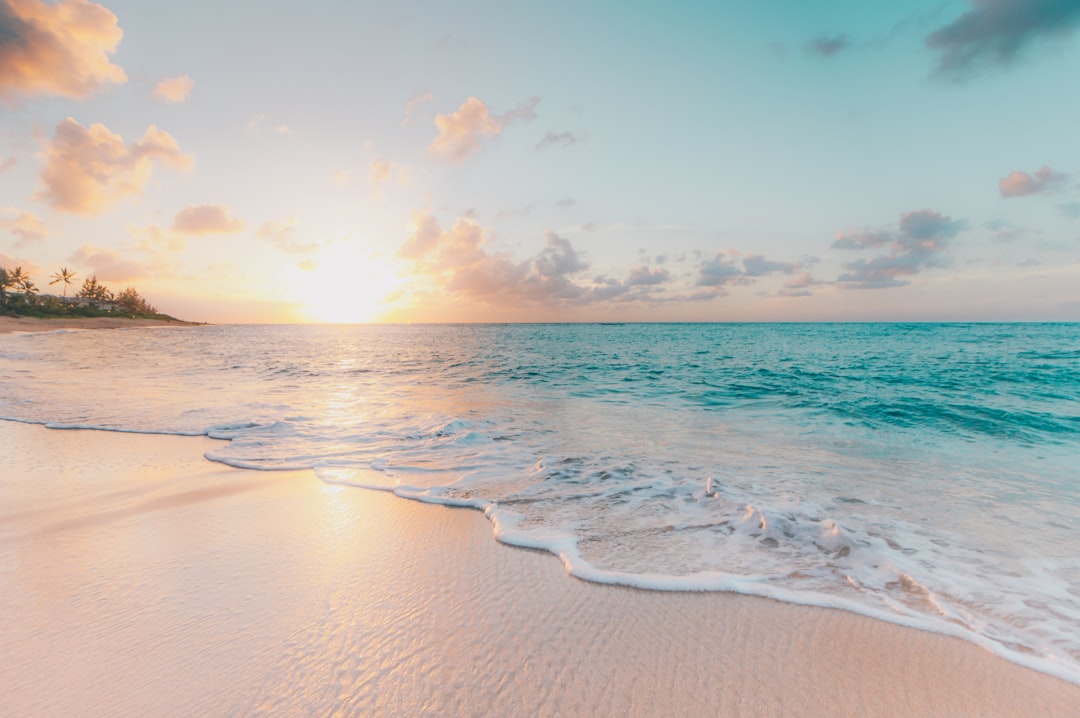
Yes, it rains. No, it doesn't ruin the trip.
October is the wettest month of the Cartagena year: weather records put it at around 15.8 days with at least a trace of rain, and roughly 230mm of rainfall across the month. September is close behind. The temperature, meanwhile, does almost nothing all year, sitting around 27C on average with highs near 30C.
What that adds up to in practice is not a fortnight of drizzle. It's hot, bright mornings and heavy, dramatic afternoon downpours that often clear as fast as they arrive. Plan around the shape of the day and the season stops being a problem.
How we'd plan a day in it
Mornings are the part you can count on, so put the water in the morning. Our boat leaves Muelle de la Bodeguita at 10am, 11:30am and 5pm, and the crossing takes about 25 minutes. Take the 10am. You get the calmest sea, the best light, and you're on a lounger before the heat sits down properly.
The beach club is open to day visitors from 11am to 6pm, and boats back leave us at 4pm and 5:30pm. If a downpour lands at 3pm, that's a long lunch rather than a lost day, which is roughly how our regulars treat it.
One thing worth knowing about wet season sea: the water in front of us faces open ocean and changes with her mood. Some days it's glass. In windy weather the crossing gets choppy, though it stays much calmer than the infamous Rosario Islands run. If you're prone to seasickness, sort that out before you get on.
The case for coming in low season
Fewer people. That's the whole argument, and it's a good one.
We're quiet during the week and livelier at weekends year round, and in September and October the weekday version of us is very quiet indeed. If your idea of a good day is a beach lounger, a long lunch and nobody's speaker competing with ours, this is the window. Your favourite lounger gets reserved for you every day of your stay if you're staying with us, so there's no towel-on-the-sunbed nonsense at 7am.
It's also the better season for the things that need a bit of space around them: the house reef discovery dive, an hour long and US $90 with no experience needed, or the island moto-tour and the mountain biking, both of which are far more pleasant before midday.
Things to do when it's actually raining
Don't fight it. Some options that work wet:
- Eat properly. Our kitchen is the reason a lot of people come over in the first place. Pedro Mosqueda is Executive Chef, most of what's on the plate is local, and we were the first beach club in Cartagena to have a wine list. A three hour lunch during a downpour is not a consolation prize.
- Go into Bocachica. The village at our end of the island has no running water and no paved roads, and it has more soul than anywhere you'll be sold a tour of. Go with our village tour rather than on your own. Rain doesn't change it much.
- A cooking class, or make your own glass or candle. These run indoors and they're a better use of a wet afternoon than refreshing the forecast.
- Cross back to the Walled City. Cartagena's Walled City is a 25 minute boat ride away, and colonial streets under warm rain are not the worst thing that can happen to you. Guests staying more than a week are welcome to take a night at our sister property, Townhouse, right in the centre of it.
What we'd tell you to pack
A light rain layer that isn't a heavy jacket, because it'll be 29C while it rains. Shoes you don't mind soaking. Dry bag for a phone on the boat, which is good advice in any season. Mosquito repellent, more relevant in wet months than dry ones.
And check the boat before you travel. There's no phone signal on the island, so WhatsApp is how you reach us, and we answer reservation messages between 9am and 9pm. Book your crossing ahead: our boat has limited capacity, and if it's full when you turn up, the next one is a long wait.
So is it a bad time to visit?
No, with one caveat. If you have exactly two days in Colombia and you need both of them to be perfect, September and October carry more risk than January does. If you have a week, the odds are strongly in your favour, the city is calmer, and the sea is warm regardless. We're here through all of it.